

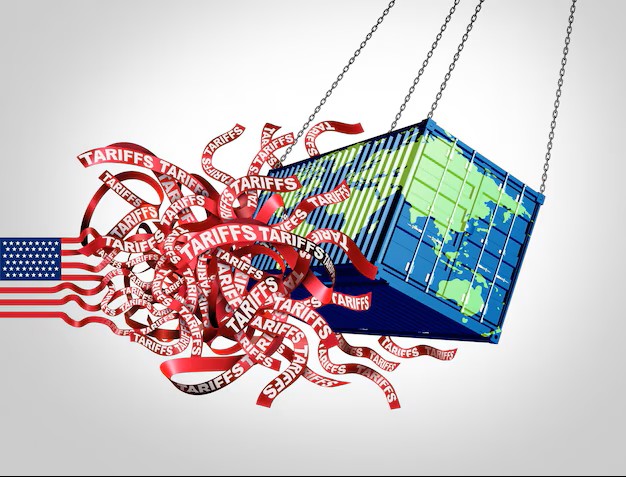
Legal challenges are developing around the implementation of 10% tariffs under Section 122, introducing short-term uncertainty into global trade. A key point for businesses to monitor is that these tariffs are limited to a 150-day duration, meaning the policy could change, expire, or be replaced within a relatively short window. This creates immediate pressure on import planning, contract terms, and pricing strategies.
The 10% tariff represents a direct and measurable increase in landed cost, making it one of the most critical data points for importers at this time. For example, a shipment valued at $100,000 now carries an additional $10,000 in duty exposure. This has a direct impact on:
- Product pricing
- Profit margins
- Sourcing decisions
- Inventory timing
As a result, many businesses are actively reassessing supplier locations, shipment timing, and trade lanes to mitigate this cost increase.
At the same time, external cost pressures are rising. Energy markets remain volatile, and higher fuel prices are driving up freight rates across ocean, air, and inland transport. When combined with the 10% tariff increase, total supply chain costs can rise significantly within a short period, affecting budgeting and forecasting accuracy.
From an operational standpoint, customs and regulatory processes continue to function without disruption. This ensures that shipments can still move efficiently; however, in a 10% tariff environment, accuracy in documentation, classification, and valuation becomes even more critical to avoid additional costs, penalties, or delays.
Looking at the broader market, businesses should focus on three key data signals:
- Tariff duration (up to 150 days) → indicates potential for rapid policy change
- 10% cost increase on imports → immediate financial impact
- Rising fuel and freight rates → compounding logistics costs
These factors together are shaping current trade flows, with noticeable shifts in sourcing strategies, shipment timing, and demand for cost-efficient logistics solutions.
How Dynamic Supreme Corp Helps You Navigate Today’s Trade Challenges
In today’s rapidly changing trade environment—especially with the direct impact of the 10% tariff, rising logistics costs, and shifting regulations—businesses need solutions that are not only reactive, but also strategic.
Dynamic Supreme Corp supports your business by:
- Managing the impact of the 10% tariff through smarter shipment planning and landed cost optimization
- Optimizing routing and transport modes (ocean, air, inland) to reduce rising freight costs
- Providing customs and compliance support, ensuring accurate documentation, classification, and valuation to avoid penalties
- Supporting flexible supply chain planning, including alternative sourcing and shipment timing adjustments
- Delivering end-to-end freight forwarding solutions, from origin to destination with full visibility
With a proactive and data-driven approach, Dynamic Supreme Corp helps ensure smooth cargo movement, minimize cost exposure, and keep your business competitive in a constantly evolving global market.