
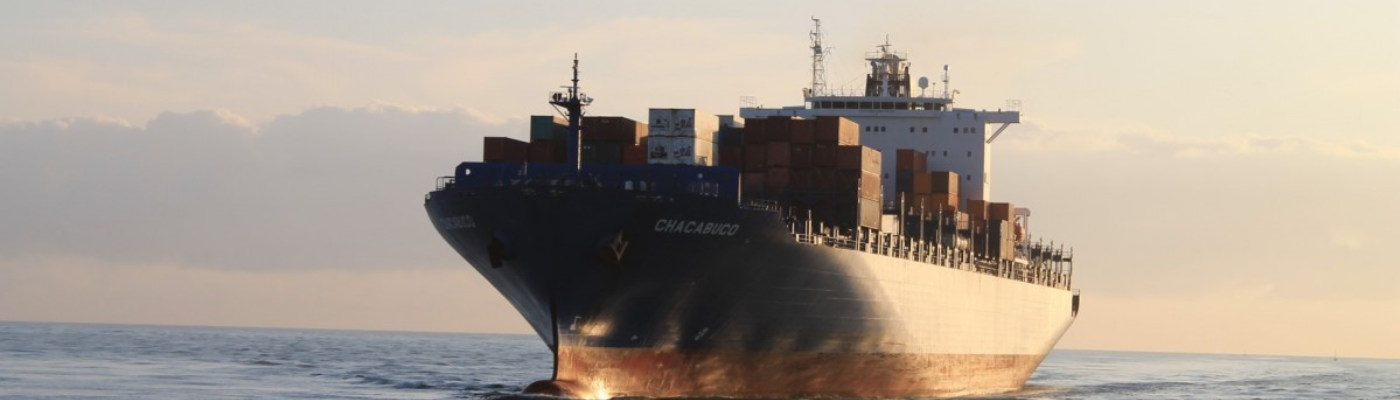
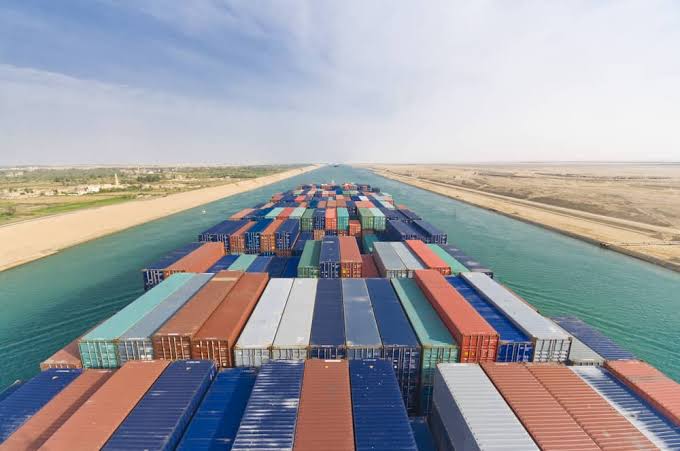
The Panama Canal Authority has announced further restrictions on vessel transits as below-average rainfall and concerns over a potential severe 2026–2027 El Niño weather event continue to affect water availability in the Canal watershed.
The Canal plays an important role in global shipping, particularly for cargo moving between Asia and the U.S. East Coast and Gulf Coast.
Starting September 4, daily vessel capacity will be reduced from 36 to 34 transits per day, including 9 Neopanamax and 25 Panamax transits.
From September 15, capacity will be reduced further to 32 daily transits, with Panamax slots decreasing from 25 to 23 while Neopanamax capacity remains at 9 transits.
The Authority has also postponed planned changes to Neopanamax draft limits. The maximum authorized draft of 48 feet will take effect on September 2, while the subsequent adjustment to 47.5 feet has been postponed until October 1.
These restrictions are related to water availability in Lake Gatun, which supplies the Canal’s lock system. Rainfall across the Canal watershed between May and August was reported to be 34% below the historical average, while watershed inflows were 44% below average.
The water situation could affect shipping operations in several ways. Reduced transit capacity may increase competition for available reservation slots, while draft restrictions can limit the amount of cargo a vessel can carry.
For carriers and cargo owners, this may result in:
- Greater competition for Canal transit reservations
- Potential changes to vessel schedules and transit times
- Reduced cargo capacity on vessels subject to draft restrictions
- Less certainty around arrival dates and container availability
- Higher transportation costs depending on routing and operational conditions
The Panama Canal handles approximately 5% of global trade, with more than 70% of cargo moving through the Canal originating in or destined for the United States.
As a result, changes in Canal capacity can affect major U.S. gateways, including ports along the East Coast and Gulf Coast, such as New York/New Jersey, Houston, and New Orleans.
Carriers may also consider alternative routing options for Asia–U.S. East Coast cargo, including the Suez Canal, the Cape of Good Hope, or U.S. West Coast gateways followed by inland transportation.
Routing cargo through the U.S. West Coast could increase demand for rail, trucking, chassis, inland terminals, and transloading services as cargo moves from West Coast ports to inland and eastern markets.
For U.S. exporters, particularly agricultural shippers moving cargo from the Gulf Coast to Asian markets, changes in Canal capacity could also affect vessel schedules, transit times, and overall transportation costs.
For importers, the situation highlights the importance of early planning, reliable vessel schedules, and flexible routing options.
How Dynamic Supreme Corp Can Help
At Dynamic Supreme Corp, we work with shippers to evaluate practical transportation options based on their cargo, destination, timing, and logistics requirement from ocean freight and alternative routing to drayage, trucking, warehousing, and customs support.
When shipping conditions change, the right solution is not always about finding the cheapest route. It is about finding a route that balances cost, transit time, capacity, and reliability.
If your supply chain is affected by changing ocean freight conditions, Dynamic Supreme Corp is here to help you navigate your next shipment with greater flexibility and confidence.