

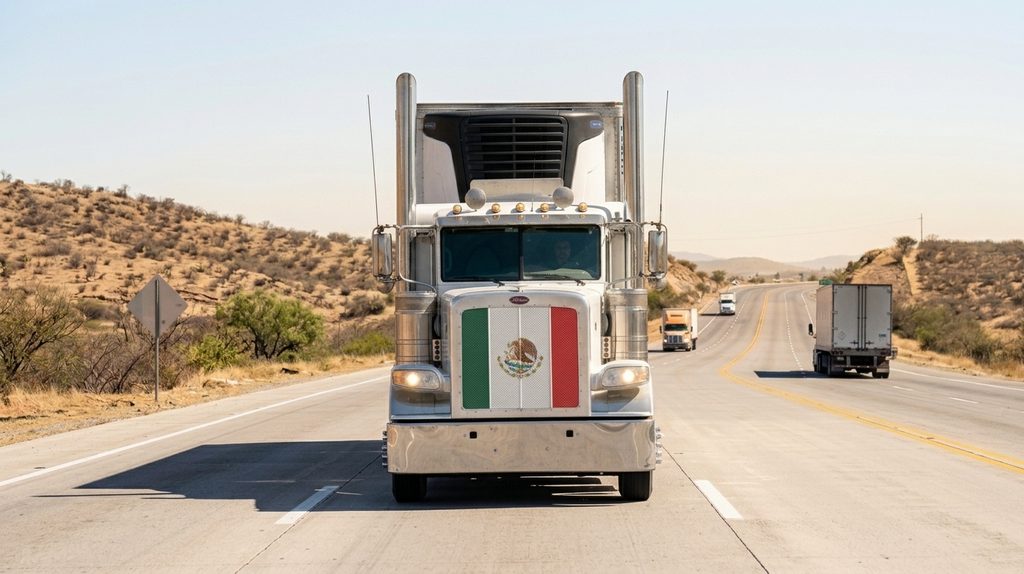
Cross-border freight movement between Mexico and the United States is facing increased pressure as a shortage of qualified truck drivers puts pressure on northbound transportation capacity. The situation follows the revocation of temporary B1 business visitor visas for some drivers, creating additional challenges for trucking companies operating on cross-border lanes.
Reduced trucking capacity is contributing to higher transportation rates and may increase costs for importers and exporters moving goods between Mexico and the United States. For businesses that rely on cross-border supply chains, these developments highlight the importance of securing reliable transportation capacity and closely monitoring changes in freight rates and availability.
In ocean freight, carriers continue to adjust capacity deployment and network strategies in response to changing market conditions. MSC has reportedly maintained stronger pricing on certain trans-Atlantic services, while rates within the Gemini Cooperation have remained more competitive despite its focus on schedule reliability. These developments reflect the continued adjustment of ocean freight networks as carriers respond to demand, capacity, and service requirements.
Meanwhile, Hapag-Lloyd is expanding its terminal activities in Africa through a partnership with DP World, covering key ports including Dakar in Senegal, Luanda in Angola, Dar es Salaam in Tanzania, Banana in the Democratic Republic of Congo, and Maputo in Mozambique. Continued investment in terminal infrastructure and regional connectivity is expected to play a role in supporting the movement of international trade across key markets.
Higher U.S. diesel prices are also adding pressure to trucking operating costs, which can contribute to higher fuel surcharges and transportation rates. Combined with capacity constraints, these cost pressures may create additional challenges for smaller trucking companies and could affect freight availability across certain markets.
For importers, exporters, and logistics providers, these developments highlight the importance of monitoring transportation capacity, freight rates, and operating costs across both road and ocean networks. Changes in one part of the supply chain can have an impact on overall transportation planning and landed costs.
How Dynamic Supreme Corp Can Help Your Business
At Dynamic Supreme Corp, we help businesses manage changing freight conditions by coordinating ocean freight, trucking, drayage, air freight, customs clearance, and other logistics requirements. By working closely with customers and transportation partners, our team helps identify practical logistics solutions and maintain visibility throughout the shipment process.
Whether you are managing cross-border cargo or international shipments, Dynamic Supreme Corp can help coordinate your logistics from origin to destination.