
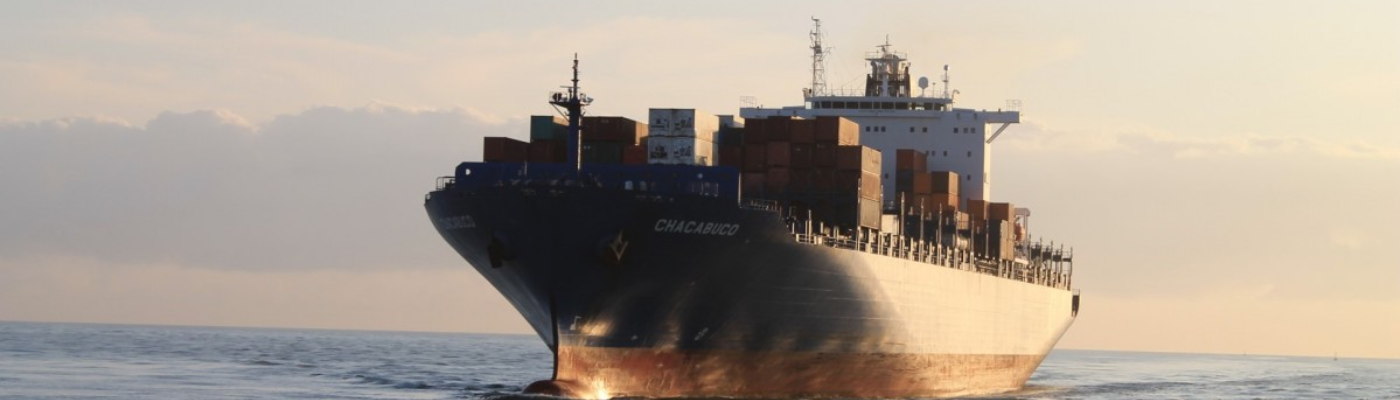
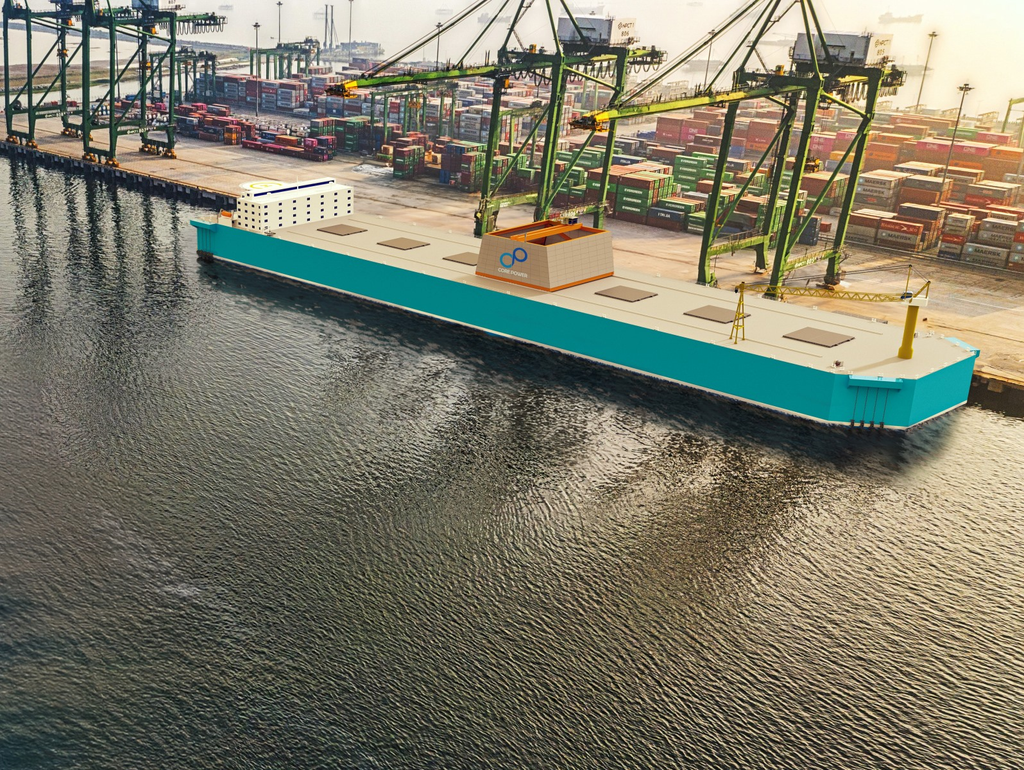
The global shipping industry is exploring the potential use of nuclear-powered container ships, with A.P. Moller-Maersk participating in studies to assess the requirements for future commercial operations. The research focuses on regulatory frameworks, port readiness, safety, security, and the operational considerations involved in introducing nuclear propulsion into maritime transportation.
Maersk previously participated in a study with Lloyd’s Register and reactor developer Core Power to examine the feasibility of nuclear-powered feeder vessels calling at European ports. The research identified several areas requiring further assessment, including port safety procedures, emergency preparedness, insurance, liability, and coordination between maritime and nuclear regulators.
The initiative has since expanded to a proposed transatlantic shipping corridor connecting the Port of Felixstowe in the United Kingdom with the Port of Charleston in South Carolina, United States. The project aims to examine the safeguards, security requirements, cyber resilience, emergency response procedures, and regulatory alignment needed for a potential nuclear-powered container shipping service.
Additional initiatives in the United States are also examining the potential use of nuclear technology in commercial maritime transportation, including the supporting infrastructure required at ports, shipyards, and industrial facilities. These efforts remain in the study and development phase, with further regulatory and operational assessments needed before commercial implementation can be considered.
What This Could Mean for Global Trade and Logistics
The development of nuclear-powered container ships could introduce new considerations for international shipping, including port infrastructure, vessel operations, regulatory compliance, and long-term transportation planning.
For ports and logistics providers, adapting to future vessel technologies may require closer coordination across shipping lines, terminal operators, regulators, and supply chain partners. For importers and exporters, these developments reinforce the importance of monitoring changes in maritime transportation and maintaining flexible logistics strategies.
Although nuclear-powered container shipping is not yet an established commercial option, continued research could help shape future discussions around maritime operations, environmental requirements, and international trade routes.
At Dynamic Supreme Corp, we support businesses with international freight forwarding solutions, including ocean and air freight, customs and documentation coordination, drayage, inland transportation, and shipment visibility. With logistics connections between the United States, Indonesia, and global markets, we help businesses coordinate cargo movements and navigate cross-border shipping requirements.