

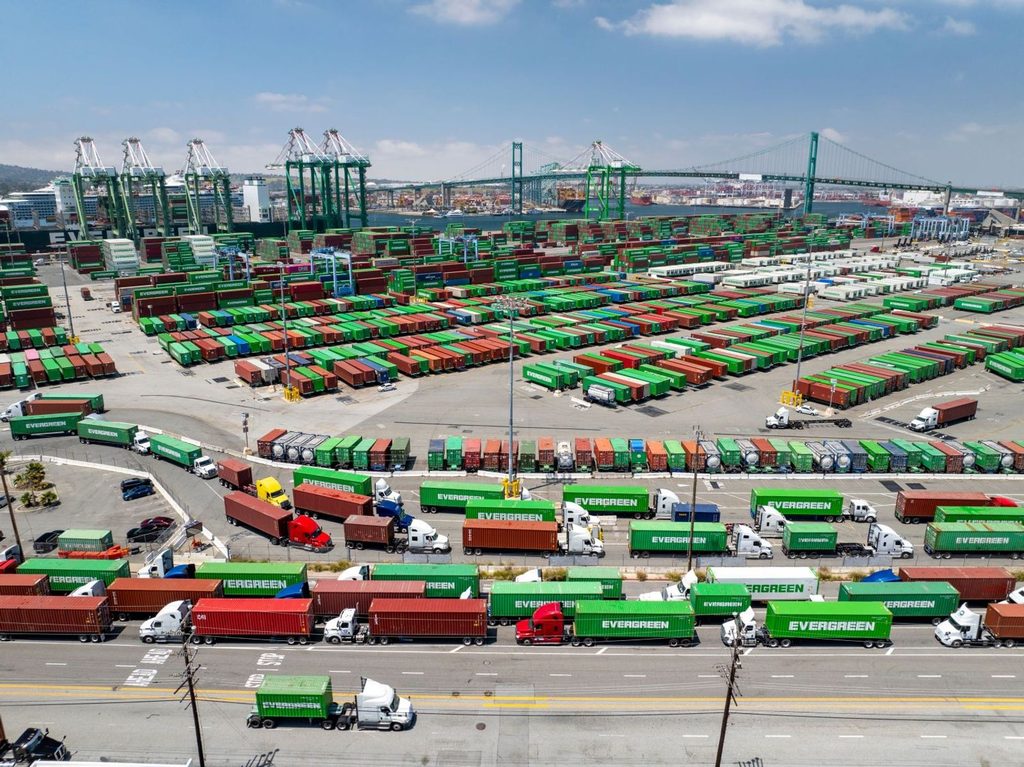
Potential labor disruptions at the Ports of Los Angeles and Long Beach are drawing attention from the logistics and shipping industry as contract negotiations involving approximately 250 union watchmen remain unresolved.
The dispute involves International Longshore and Warehouse Union (ILWU) Local 26, which represents security personnel working across six container terminals at the two ports. With the current contract approaching its expiration, a work stoppage could begin as early as Saturday if an agreement is not reached.
Although the dispute directly involves a relatively small group of workers, its potential impact on cargo operations could extend well beyond the affected workforce.
Potential Impact on Port Operations
The six terminals where Local 26 members work handle a significant share of container traffic moving through the Los Angeles–Long Beach port complex. These facilities account for approximately 85% of cargo handled at the Port of Long Beach and 33% at the Port of Los Angeles.
A potential strike could also affect the movement of other port workers if they choose to honor picket lines. This could reduce terminal operating capacity and interrupt cargo handling across multiple facilities.
For shipping lines, importers, exporters, and freight forwarders, any disruption could affect vessel schedules, container availability, and the coordination of inland transportation.
Implications for Importers and Exporters
A disruption at the two ports could create operational challenges throughout the supply chain, particularly for businesses that rely on regular container movements between Asia and the United States.
Potential trade and logistics impacts include:
- Vessel delays: Reduced terminal operations could affect vessel discharge schedules and increase waiting times.
- Container congestion: Delays in unloading and clearing containers could slow cargo movement through terminals.
- Drayage interruptions: Trucking operations may face delays due to restricted terminal access or limited cargo availability.
- Rail transportation delays: Intermodal shipments could experience scheduling disruptions as cargo movement slows.
- Warehouse operations: Importers and distributors may need to adjust receiving schedules and inventory planning.
- Higher logistics costs: Extended delays may lead to additional storage, demurrage, detention, and transportation expenses.
Exporters could also face challenges securing timely vessel departures, potentially affecting delivery commitments and international trade schedules.
Supply Chain Planning Amid Uncertainty
The Ports of Los Angeles and Long Beach serve as major gateways for U.S. international trade, particularly for cargo moving between the United States and Asia.
Any interruption to their operations can influence transportation networks beyond Southern California, affecting inland distribution, inventory replenishment, and delivery schedules across the country.
Businesses with shipments moving through these gateways should monitor developments closely and maintain communication with their shipping lines, freight forwarders, trucking providers, and warehouse partners.
Reviewing shipment timelines, tracking container status, and evaluating alternative transportation arrangements can help businesses prepare for possible operational changes.
While the extent of any disruption will depend on the outcome of the labor situation and its effect on terminal operations, maintaining supply chain visibility and flexible logistics planning remains important.
How Dynamic Supreme Corp. Supports Your Freight Operations
At Dynamic Supreme Corp., we understand that reliable freight movement depends on effective coordination across every stage of the supply chain.
As a freight forwarding partner, we support businesses with ocean freight (FCL/LCL), air freight, port drayage, and inland transportation. Our team works to coordinate shipments, monitor cargo movement, and provide practical logistics solutions based on each customer’s shipping requirements.
Whether you are managing regular imports, planning upcoming shipments, or navigating potential port disruptions, Dynamic Supreme Corp. is ready to support your freight forwarding needs with responsive coordination and flexible transportation solutions.
Contact Dynamic Supreme Corp. to discuss your upcoming shipments and explore how we can support your supply chain.