
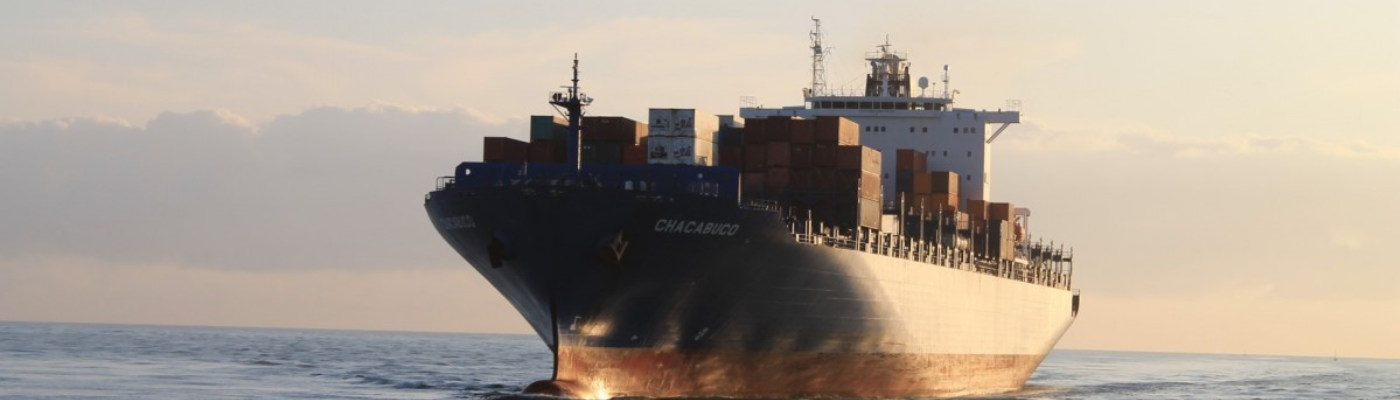
The strengthening El Niño event in 2026 is expected to create operational challenges for ports and supply chains across several regions. Changes in sea levels, rainfall patterns, storms, and water availability could affect vessel operations, port access, dredging schedules, cargo handling, and inland transportation.
For international trade, these conditions may create additional uncertainty around port operations and cargo movement, particularly in regions where ports are exposed to flooding, storm surges, reduced water levels, or weather-related closures.
Pacific Ports in the Americas Face Increased Weather Risks
Ports along the Pacific coast of North and South America are among the areas expected to experience notable operational impacts.
In California, elevated sea levels combined with winter storms could increase the risk of flooding and storm-related disruptions at coastal facilities. Such conditions may affect vessel berthing, terminal operations, gate activity, and inland cargo movements.
In South America, Pacific-facing ports in Peru and Chile may also experience challenges from larger-than-normal swells and changing ocean conditions. Temporary port closures or restrictions can affect vessel schedules, cargo handling, and connections to inland transportation networks.
Chile is particularly important to international trade because a significant share of its imports and exports moves by sea. Weather-related interruptions at major ports could therefore have wider implications for regional supply chains.
Australia and Indonesia May Face Lower Water Levels
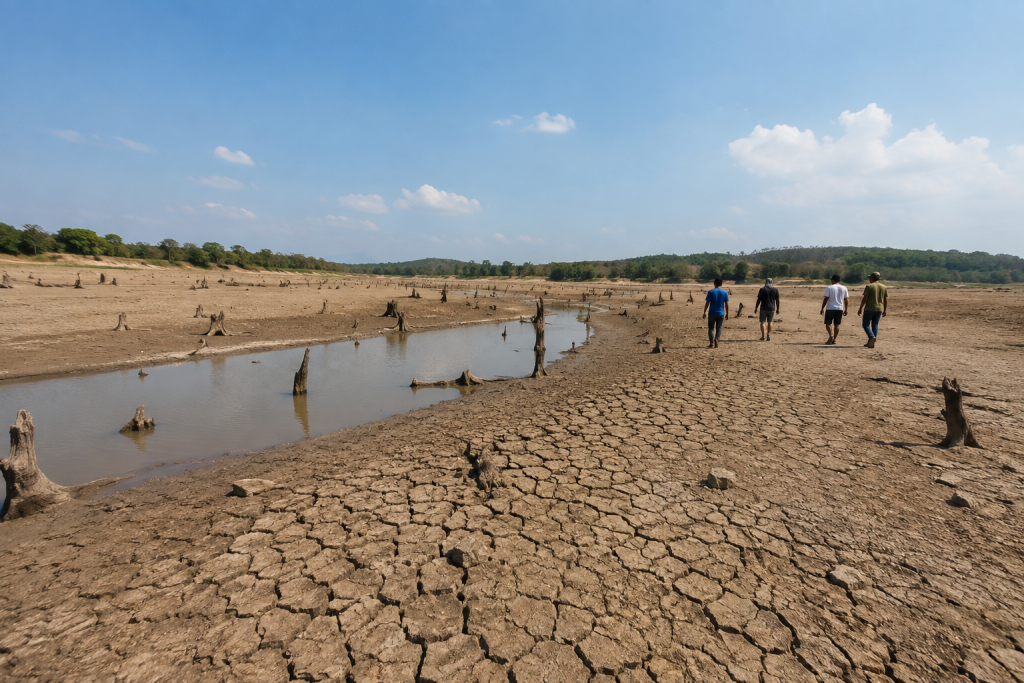
El Niño can produce drier conditions across parts of Australia and Indonesia. Reduced rainfall and lower river or coastal water levels may affect ports that depend on sufficient water depth for vessel operations.
For shipping lines and terminal operators, lower water levels can create challenges related to under-keel clearance, vessel draft restrictions, and dredging requirements. These conditions may require closer monitoring of vessel drafts and port accessibility.
At the same time, some areas of Australia could experience fewer tropical cyclones, potentially providing more favorable conditions for certain maintenance and infrastructure activities.
South Asia Could Experience Uneven Conditions
The effects of El Niño across South Asia can vary significantly by region. Some areas may experience heavier rainfall and flooding, while others face drier conditions.
For logistics networks, this variability can make planning more complex. Ports and inland transportation routes may encounter different challenges within the same country, including flooding, reduced water availability, road disruptions, and changes in vessel accessibility.
These conditions can contribute to longer transit times and require additional flexibility in transportation planning.
East African Ports May Face Increased Rainfall
Ports such as Mombasa and Dar es Salaam may experience heavier rainfall during periods influenced by El Niño.
Increased rainfall can affect port operations through flooding, drainage challenges, and higher sediment movement. These conditions may increase maintenance and dredging requirements and potentially affect vessel turnaround times.
For exporters and importers, disruptions at major regional gateways could also influence inland transportation schedules and cargo delivery timelines.
Potential Impact on Global Trade and Supply Chains
The potential effects of El Niño extend beyond individual ports. Weather-related disruptions can influence several stages of the logistics process, including:
- Vessel arrivals and departures
- Port and terminal operations
- Berthing and cargo handling
- Vessel draft restrictions
- Dredging and channel maintenance
- Inland trucking and rail transportation
- Transit times and delivery schedules
- Inventory planning and supply chain reliability
For shippers, one of the key considerations is the potential for different regions to experience different weather conditions at the same time. This can make it important to monitor port conditions and maintain flexibility when planning international shipments.
Businesses moving cargo through weather-sensitive regions may benefit from reviewing alternative routing options, allowing additional transit time where appropriate, and maintaining communication with carriers, terminals, and logistics providers.
How Dynamic Supreme Corp Can Support Your Freight Forwarding Needs
At Dynamic Supreme Corp, we help businesses manage international freight movements with a focus on reliable transportation planning and supply chain coordination.
Our services include Ocean Freight (FCL/LCL), Air Freight, Drayage, Truckload (FTL/LTL), Customs Clearance, Warehousing, and FDA & FSVP Support.
When weather conditions or other operational factors create uncertainty, our team can assist with coordinating transportation options, monitoring shipment progress, communicating with carriers and logistics partners, and helping customers identify practical solutions for their cargo.